Rejuvenate Your Mind with Relaxing Art Techniques
Art has a unique way of touching our souls. It can calm us, inspire us, and even heal us. Over the years, I’ve discovered how relaxing art techniques can be a powerful tool to refresh the mind and spirit. Whether you’re an art student, someone interested in art therapy, or simply looking for a creative outlet, embracing these techniques can bring a sense of peace and clarity to your busy life.
Let me take you on a journey through some of my favourite ways to use art as a form of mental rejuvenation. I’ll share practical tips, examples, and gentle encouragement to help you find your own creative rhythm.
Why Relaxing Art Techniques Matter
In today’s fast-paced world, stress and anxiety often take centre stage. We all need moments to pause and reset. That’s where art steps in. Relaxing art techniques are not about creating a masterpiece or impressing anyone. They’re about the process - the soothing motions, the colours, and the freedom to express without judgement.
When I first started exploring these techniques, I noticed how my mind would slow down. The repetitive strokes of a brush or the gentle blending of colours helped me focus on the present moment. It’s a form of mindfulness that doesn’t require sitting still or meditating in silence. Instead, it invites you to engage your senses and emotions in a gentle, creative dance.
Here are some reasons why these techniques are so beneficial:
Reduce stress and anxiety by focusing on simple, enjoyable tasks.
Boost creativity by freeing your mind from rigid expectations.
Improve concentration through mindful engagement.
Enhance emotional expression in a safe and personal way.

Simple Relaxing Art Techniques to Try Today
You don’t need fancy supplies or a studio to start. Many relaxing art techniques can be done with basic materials you already have. Here are some of my favourites that you can easily incorporate into your daily routine:
1. Colouring and Doodling
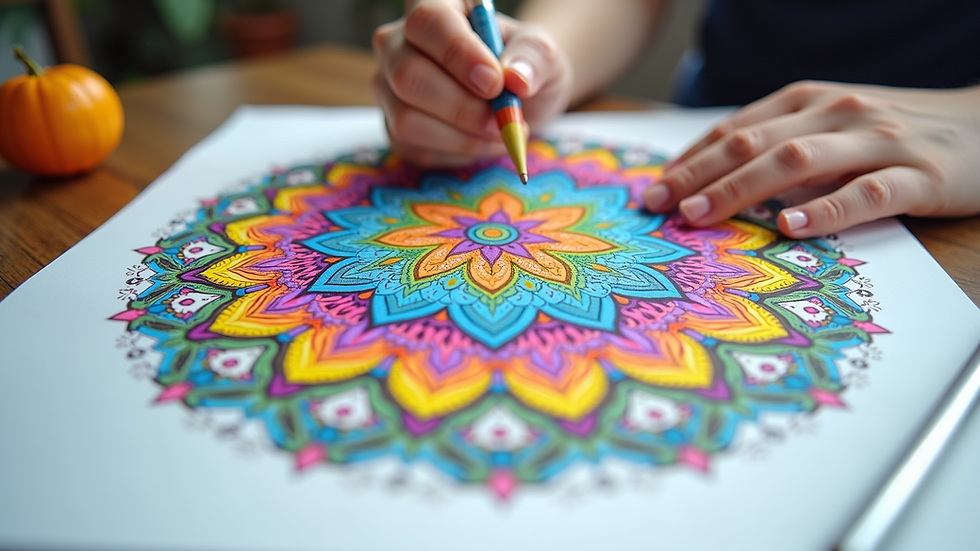
Remember how calming it was to colour in as a child? Adult colouring books have become popular for a reason. They offer structured patterns that guide your hand, helping you relax without worrying about what to draw. Doodling freely is another great option. Let your pen wander across the page without a plan. You might be surprised at the shapes and patterns that emerge.
2. Watercolour Washes
Watercolours are perfect for gentle, flowing art. Try creating soft washes of colour on wet paper. Watch how the pigments blend and move naturally. This technique encourages you to let go of control and enjoy the unpredictability of the medium.
3. Mandala Drawing
Mandala art involves drawing circular patterns that radiate from a central point. It’s a meditative practice that promotes focus and calm. You can start with simple shapes and gradually add details. The repetitive nature of mandala drawing helps quiet the mind.
4. Collage Making
Gather old magazines, newspapers, or scraps of fabric and create a collage. This tactile activity engages your hands and eyes, allowing you to express ideas and emotions visually. It’s also a wonderful way to recycle and repurpose materials.
5. Clay Modelling
Working with clay or playdough can be incredibly grounding. The tactile sensation of moulding shapes connects you to the present moment. You don’t need to sculpt anything perfect - just enjoy the feel of the material.
Each of these techniques invites you to slow down and enjoy the process. You don’t have to be an expert or worry about the final result. The goal is to nurture your mind and spirit through creative expression.
How Therapeutic Art Activities Can Transform Your Wellbeing
If you want to dive deeper, exploring therapeutic art activities can be a wonderful next step. These activities are designed specifically to support mental health and emotional healing. They often combine art with guided reflection or group support.
I’ve seen how therapeutic art activities help people:
Process difficult emotions in a safe space.
Build self-awareness and confidence.
Connect with others through shared creativity.
Develop new coping skills for stress and anxiety.
Even if you’re not working with a therapist, you can adapt some of these ideas for your own practice. For example, journaling with art, creating visual gratitude lists, or using colour to represent your feelings can be powerful tools.
Setting Up Your Creative Space for Relaxation
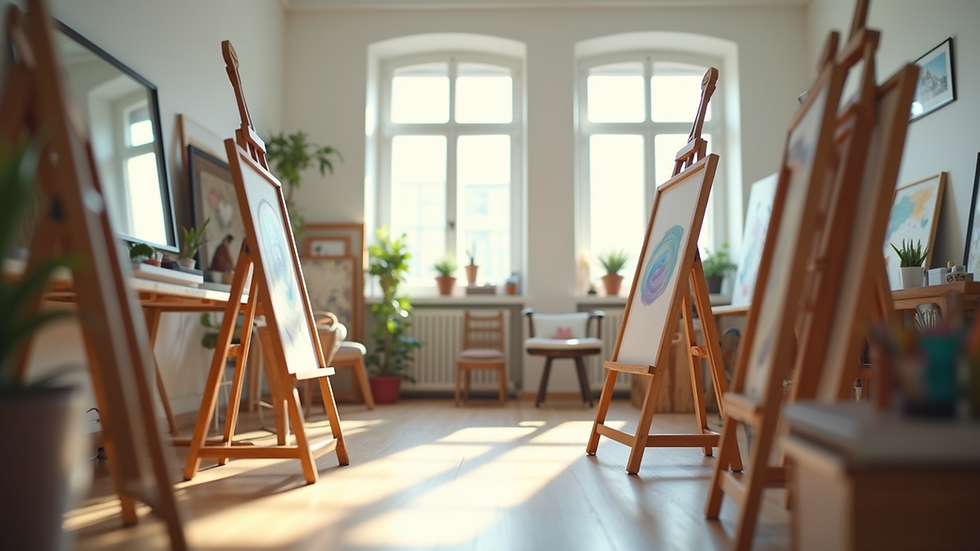
Creating a dedicated space for your art practice can make a big difference. It doesn’t have to be large or fancy - just a corner where you feel comfortable and inspired. Here are some tips to help you set up your own relaxing art nook:
Choose a quiet spot with good natural light if possible.
Keep your materials organised and within easy reach.
Add personal touches like plants, candles, or inspiring quotes.
Minimise distractions by turning off your phone or notifications.
Set a regular time for your art practice, even if it’s just 10-15 minutes a day.
Having a space that feels welcoming encourages you to return regularly. Over time, this routine can become a cherished part of your self-care.
Embracing Imperfection and Enjoying the Journey
One of the most important lessons I’ve learned is to let go of perfectionism. Relaxing art techniques are about process, not product. It’s okay if your lines are wobbly or your colours don’t match. What matters is how the activity makes you feel.
Try to approach your art with curiosity and kindness. Celebrate small moments of joy and discovery. If you feel stuck, take a break and come back later with fresh eyes.
Remember, every artist started somewhere. Your creative journey is unique and valuable just as it is.
I hope these ideas inspire you to pick up your brushes, pencils, or clay and give yourself the gift of creative relaxation. Art has a gentle way of healing and rejuvenating the mind - all you need to do is start.
If you’re interested in learning more or want some guidance, I’m here to help. Together, we can explore the wonderful world of art and find the techniques that bring you peace and joy.
Happy creating!


Comments